 Candycode
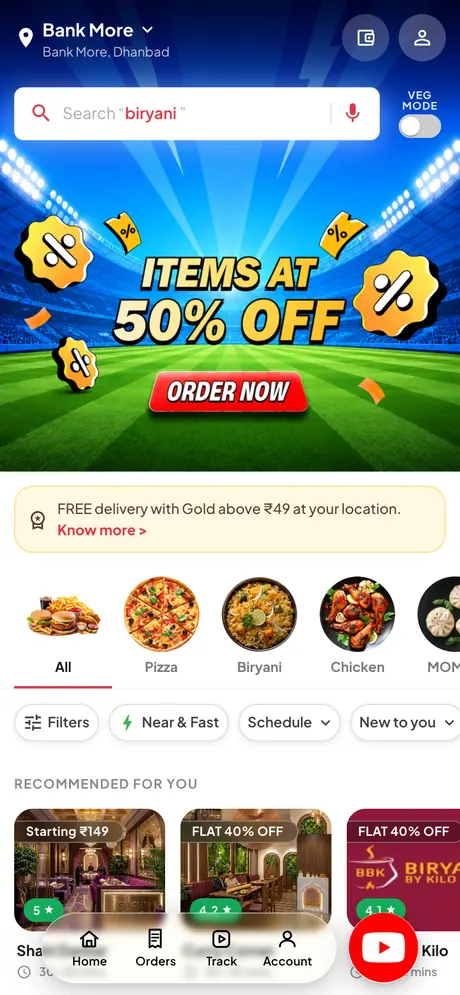
Large food apps cover big cities well, but many smaller cities have patchy coverage and restaurants unhappy with high commissions. That gap is an opportunity for a local food delivery brand. Here is how to plan it properly.
Why a local food delivery app can win
- Restaurants pay lower commissions than on big aggregators.
- You can cover neighbourhoods and towns the big apps ignore.
- You know local restaurants personally and can solve problems quickly.
- Customers like supporting a local brand when the service is good.
Onboard the right restaurants first
Start with 15 to 30 popular restaurants across different cuisines and price points. Focus on places with steady demand and good packaging. A restaurant app with a loud ring alert for every order makes sure no order is missed during busy hours.
Set a fair commission model
Agree on a commission per order that is clearly lower than the big apps, plus delivery fees paid by customers. Write it down for every restaurant and settle payouts on a fixed schedule so trust stays high.
Riders and delivery
Food must arrive hot, so keep delivery areas tight. Riders need live GPS, pickup and drop steps and a view of cash collected. Live tracking for customers reduces the "where is my order" calls that restaurants and support teams hate.
The software you need
- Customer app with restaurants near the user, menus, add-ons, offers and live tracking.
- Restaurant app with order alerts, accept or reject, menu and timing control.
- Rider app with live location, delivery flow and earnings.
- Admin panel for restaurants, zones, commissions, payouts and reports.
Menus in India need add-ons and half or full portions, so check that any platform handles them before you buy.
Marketing on a small budget
- Put table stickers and flyers with a QR code in partner restaurants.
- Run first-order offers for new users only.
- Post daily specials on Instagram and WhatsApp status.
- Reward repeat customers with small coupons instead of big one-time discounts.