 Candycode
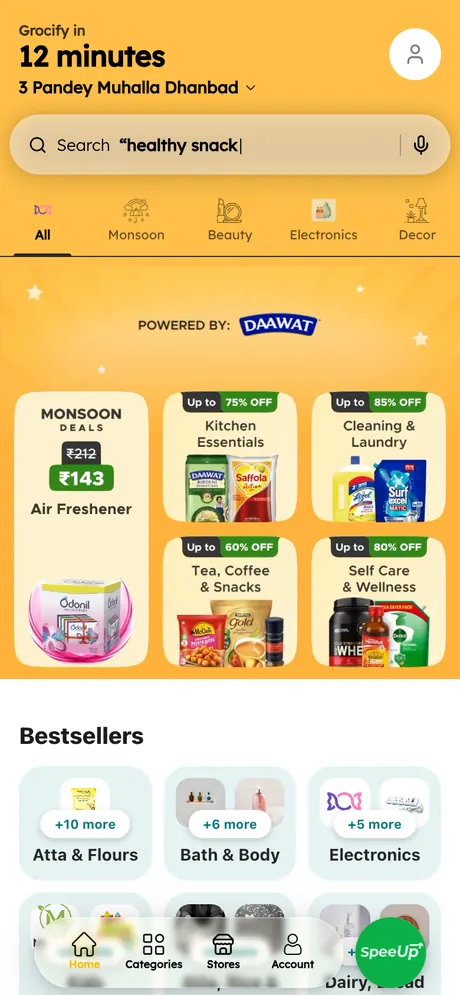
Quick commerce is no longer only for metro cities. In many towns, customers already order from apps but have no fast local option. This guide walks through the practical steps to start your own grocery delivery business, from choosing stores to getting your first hundred orders.
1. Pick your model
Decide early whether you will run your own dark store, partner with existing local shops, or do both. Your own store gives you control over stock and speed. Partnering with shops needs less money up front and lets you offer more products from day one. Many businesses start with partner shops and add their own store once demand is clear.
2. Choose a small delivery area
Start with a delivery radius you can serve fast and reliably, often a few kilometres around your stores. A small area means shorter rides, fresher products and happier customers. You can open new zones later with their own delivery charges.
3. Get the four pieces of software
You need a customer app, a store app, a rider app and an admin panel. Building all four from scratch is slow and expensive, so most new businesses start on a ready platform set up under their own brand and add custom features later.
4. Set prices, delivery charges and payments
- Keep product prices close to local shop prices so customers trust the app.
- Set clear delivery charges by distance, and a minimum order value.
- Offer both online payment (UPI, cards) and cash on delivery at the start.
- Plan a few launch offers and coupons, but avoid deep discounts you cannot sustain.
5. Hire and train riders
Start with a small team of riders who know the area. A rider app with live GPS, clear pickup and delivery steps and an earnings screen makes training quick. Short video guides in Hindi help new riders learn the flow in one sitting.
6. Launch and get the first 100 orders
- Publish your app on Google Play under your brand name.
- Tell existing shop customers about the app at the counter and on WhatsApp.
- Run small local ads on Facebook and Instagram targeted to your delivery area.
- Ask every early customer for feedback and fix problems fast.
- Track repeat orders weekly; repeat customers matter more than downloads.
Common mistakes to avoid
- Opening too many zones before deliveries are reliable.
- Choosing an app that only covers customers, without store and rider apps.
- Ignoring stock accuracy, which leads to cancelled orders.
- Depending on one rider or one store for all orders.